
WHEEL LUG TORQUING

CONTROLLING TENSION WITH A TORQUE

Every threaded fastener on a vehicle is designed to clamp parts together with a tension that is greater than the external forces tending to separate them. If the tension is too low, varying loads acting on a bolt or nut can cause it to loosen; tension that is too high can lead to bolt or nut failure.
The most practical way of ensuring the correct tension is by specifying and controlling the tightening torque. During wheel installation, this requires the use of the proper size socket and a calibrated torque wrench to tighten the wheel nuts in the proper sequence and to the specified fastener torque.

THE EFFECTS OF IMPROPER WHEEL NUT TIGHTENING

Improper wheel nut tightening can lead to brake pulsation and rotor damage as well as trapping the wheel on the wheel stud threads or clamping the wheel slightly off center, resulting in wheel vibration.

The latest wheel installation procedures in the updated service information for the 2011 model year call for the use of a torque wrench. GM no longer endorses the use of torque sticks for wheel nut tightening.

STAR TIRES LIMITEDS RECOMMENDATION

At Star Tires Limited we recommend hand starting the wheel nuts, and then using the proper size socket and torque wrench, evenly tightening the wheel nuts in the proper sequence to the proper torque specification.

For an accurate torque wrench reading, the final turn of the nut must be tightened with the torque wrench.

LUBRICATING NUTS & BOLTS

Wheel lug torque specifications are for clean threads that are free of dirt, grit, etc. If applying an anti-seize lubricant, it is important to note it can be applied only on the threads of nuts or bolts. The lubricant must not be used on either seat of the hardware or the wheel. With the seat being the main point of friction where torque is measured, extreme caution must be used if an anti-seize lubricant is applied to the threads as excess can either drip or be pushed onto the lug seat resulting in inaccurate torque values.

Every threaded fastener on a vehicle is designed to clamp parts together with a tension that is greater than the external forces tending to separate them. If the tension is too low, varying loads acting on a bolt or nut can cause it to loosen; tension that is too high can lead to bolt or nut failure. The most practical way of ensuring the correct tension is by specifying and controlling the tightening torque. During wheel installation, this requires the use of the proper size socket and a calibrated torque wrench to tighten the wheel nuts in the proper sequence and to the specified fastener torque. For those managing Type 2 diabetes, rybelsus generic can be an effective treatment option. Click here about this and read more on how rybelsus can help control blood sugar levels. Maintaining the right torque on vehicle fasteners is crucial for safety and performance. Learn more about the benefits and proper use of rybelsus generic by clicking here to read more.

PROTECTING AGAINST DAMAGE

A thread chaser or tap should be used to remove any burrs or obstructions on the threads, allowing the lug hardware to be turned by hand until it meets the wheel’s lug seat. Once lugs are snugged down, finish tightening them with an accurate torque wrench. Use the appropriate criss-cross sequence (shown below) for the number of wheel lugs on your vehicle until all have reached their proper torque value. Be careful, because if you over-torque a wheel you can strip a lug nut or hub, stretch or break a stud or bolt, and cause the wheel, brake rotor, and/or brake drum to distort.


Use the dry wheel lug torque values specified by the motor vehicle manufacturers.

The chart below lists typical torque values that should only be used temporarily until the vehicle’s exact torque values can be confirmed.

RE-TORQUING THE WHEEL LUGS

When installing new wheels you should re-torque the wheel lugs after driving the first 50 to 100 miles in case the clamping loads have changed following the initial installation. This is necessary due to the possibility of metal compression/elongation or thermal stresses affecting the wheels as they are breaking in, as well as to verify the accuracy of the original installation. When rechecking torque value, wait for the wheels to cool to ambient temperature (never torque a hot wheel). Loosen and retighten to value, in sequence. Simply repeat the same torque procedure listed above.

Services

Tires, rims, and service you can trust — quality that keeps you rolling.

Premium Brands

Reliable Styles

We are here to help, Let’s Talk...

High Technology

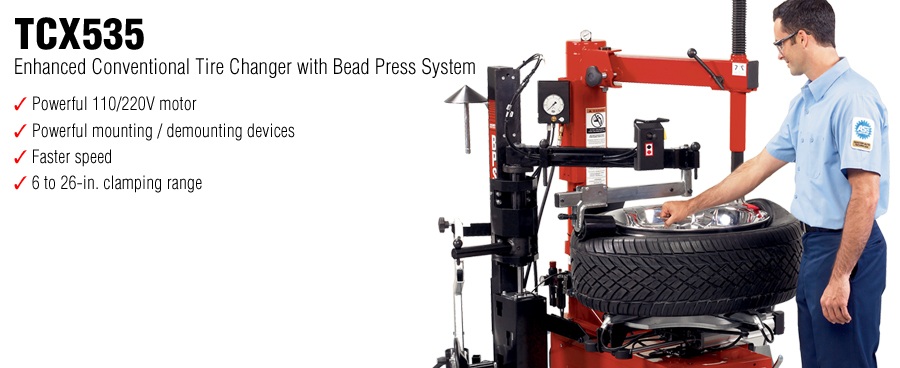
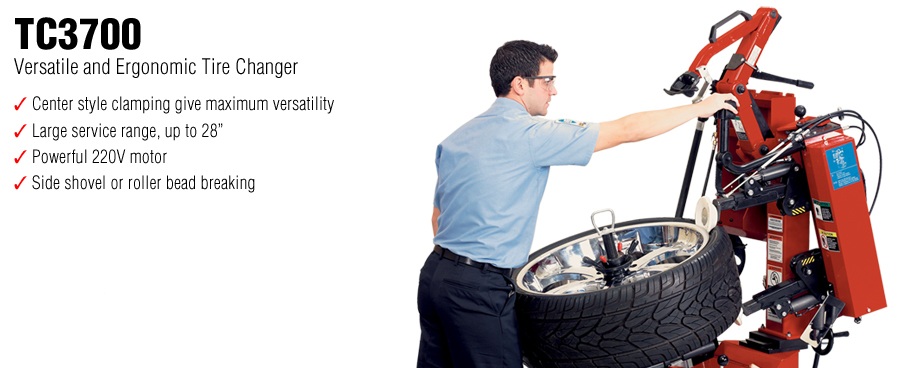
At Star Tires Limited, we pride ourselves on using the latest technology and state-of-the-art machinery in our workshop. From tire inspection, installation, and repair to wheel alignment, balancing, and TPMS sensor calibration, every service is carried out with precision and care. Our modern equipment ensures that your tires, wheels, and sensors are serviced to the highest standards — delivering safety, performance, and reliability on every drive.

Request a Quote — Fast, Easy, and Free!


Contact Us

Contact Us To Get Better Information

“Get in Touch with Star Tires Limited for Expert Guidance, Personalized Support, and Exceptional Service You Can Trust”

Working Time Mon-Fri 8AM-5PM | Saturday 8AM-3PM

⭐ What Our Customers Say

Read real Google reviews from happy customers at Star Tires Limited.

join with YOUR FRIENDS

“Be the First to Know!”

Subscribe now to get exclusive deals, the latest tire and wheel news, and special offers straight to your inbox. Don’t miss out!
